

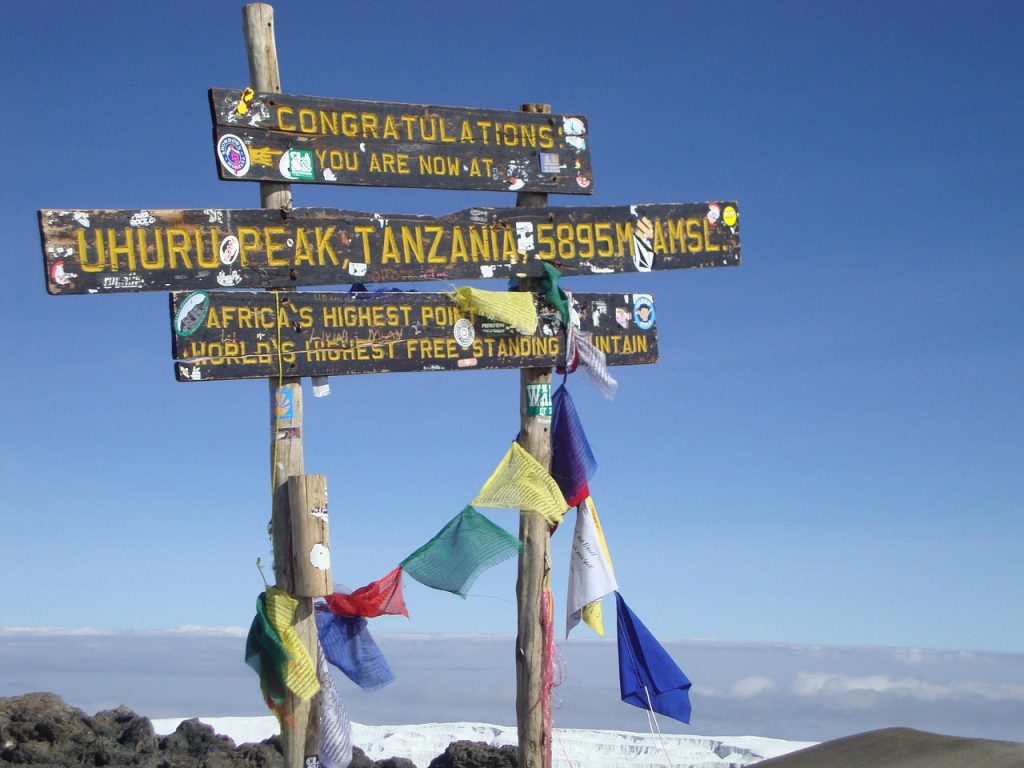
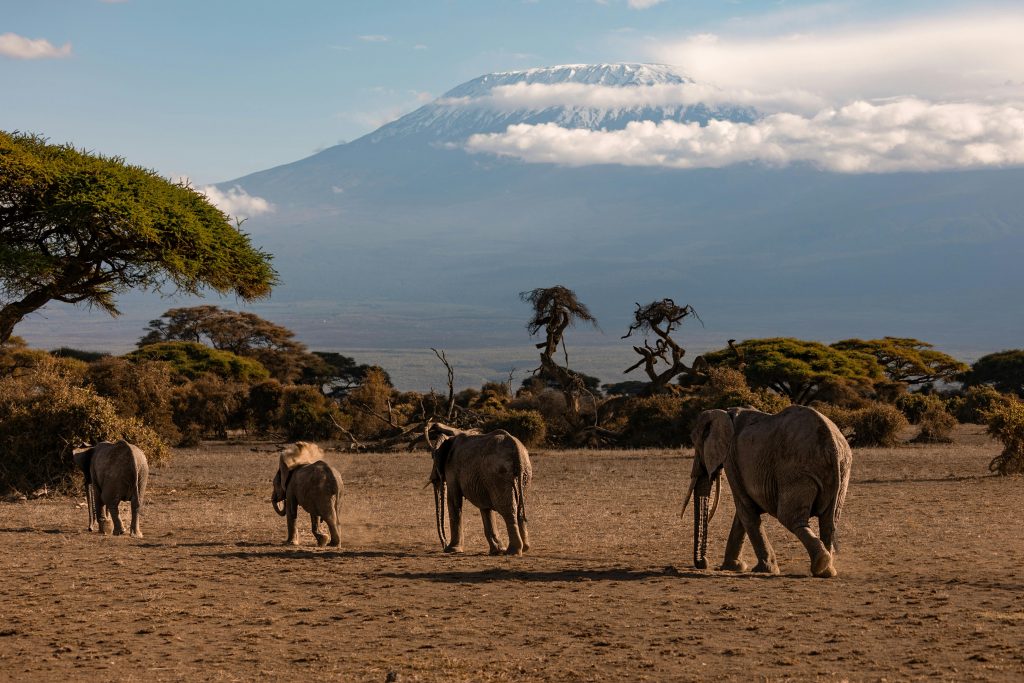
Rising an impressive 5,895 m (19,341 ft), Mount Kilimanjaro — proudly known as the Roof of Africa — stands as the tallest free-standing mountain in the world and the highest peak on the African continent. Its three volcanic giants — Kibo, Mawenzi, and Shira — dominate the northern Tanzanian horizon, creating a breathtaking natural monument that attracts adventurers from across the globe.
What makes Kilimanjaro exceptional is not only its height but also its accessibility. Unlike many other major summits, it does not demand ropes, ice axes, or technical climbing skills. This makes it one of the most achievable high-altitude goals on Earth, drawing thousands of determined trekkers each year who dream of standing atop its icy crown.
The mountain’s rapidly changing weather, diverse landscapes, and dramatic elevation shifts create an unforgettable journey. With proper preparation, a steady pace, and the mental strength to adapt to high altitudes, even first-time climbers often find themselves proudly reaching Uhuru Peak — a moment many describe as deeply emotional and transformative.
Why Mount Kilimanjaro Is Special
A Journey Through Five Ecological Zones
One of the mountain’s greatest wonders is the way its ecosystem changes as you climb. Kilimanjaro is divided into five clearly defined ecological zones, each offering its own unique scenery and atmosphere:
Cultivation Zone – Fertile farmland with plantations of bananas, maize, and coffee.
Rainforest Zone – Thick, misty jungle alive with birds, monkeys, and hidden waterfalls.
Heath & Moorland – Cooler, open landscapes filled with giant heathers and volcanic rock formations.
Alpine Desert – A barren, silent, windy world of ash, sand, and volcanic dust.
Arctic Summit Zone – A frozen wilderness of glaciers, snowfields, and Kilimanjaro’s iconic icecap.
Climbing Kilimanjaro feels like traveling from the tropics to the Arctic within just a few days — a rare and awe-inspiring experience.
Amazing Wildlife and Scenic Diversity
The lower slopes host elephants, buffaloes, antelopes, monkeys, and an extraordinary range of birdlife. As trekkers ascend, the scenery constantly transforms — from lush rainforest to grassy moorlands, then to stark, moonlike deserts and finally to the glittering snows at the summit. These constant shifts make every stage of the climb feel like its own adventure.
 Panoramic Views Like No Other
On clear mornings, climbers can witness sweeping views that stretch across Tanzania’s vast plains, forests, and distant volcanic landscapes. Reaching Uhuru Peak and gazing out from above the clouds is often described as one of the most powerful and unforgettable moments of a lifetime.
Climbing Mount Kilimanjaro — What to Expect
Climbing Kilimanjaro is considered a high-altitude trek rather than a technical climb, making it accessible to a wide range of travelers.
Treks begin in warm, humid forest zones before transitioning into cooler, thinner air.
Higher altitudes bring freezing temperatures and strong winds.
Slow, steady pacing — known as “pole pole” — greatly improves success rates.
With good acclimatization, many people of average fitness successfully reach the top.
Reaching Uhuru Peak provides not only physical achievement but also emotional and spiritual fulfillment.
Best Time to Visit
The ideal times to climb are during the dry seasons:
June to October – Clear skies, excellent visibility, and dry paths.
January to February – Also great weather, with fewer crowds.
Kilimanjaro can be climbed year-round, but the rainy seasons (March–May and November) often bring slippery trails and cloudy conditions.
What to Know Before You Climb
1. Fitness & Preparation
Light endurance exercises, long walks, and regular hikes help build the stamina needed. Good cardiovascular fitness increases your chances of reaching the summit.
2. Altitude Awareness
Altitude sickness is the biggest challenge. Climbers should:
Ascend gradually
Drink plenty of water
Maintain a steady pace
Choose routes with proper acclimatization time
3. Essential Gear
The mountain’s climate changes dramatically, so pack:
Warm clothing layers
Waterproof jackets and trousers
Gloves, hats, and thermal wear
Reliable hiking boots
A cold-rated sleeping bag
Guides and porters manage camping gear, food, navigation, and heavy loads, ensuring your focus stays on the climb.
Final Thoughts — Why Kilimanjaro Is Worth It
Mount Kilimanjaro offers one of the world’s most extraordinary trekking experiences — a rare blend of challenge, natural beauty, and personal discovery. From deep forests to silent deserts and finally the snow-capped summit, every step brings a new sense of wonder.
You don’t need technical climbing skills — only determination and respect for the mountain. For anyone seeking a life-changing adventure, Kilimanjaro stands as one of the most iconic and inspiring destinations on Earth.